2026 Best Paper Board Options for Sustainable Packaging Solutions?
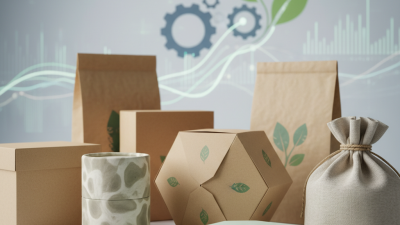
As industries seek sustainable solutions, paper board emerges as a strong candidate for eco-friendly packaging. This material is versatile and can help reduce carbon footprints significantly. Companies are increasingly aware of the environmental impact of packaging materials. They are seeking alternatives to plastic and non-recyclable options.
In 2026, the selection of paper board choices will expand significantly. New technologies will enhance its strength and durability. Innovations may lead to better moisture resistance and barrier properties. Brands will need to adapt quickly to stay competitive. The importance of responsible sourcing cannot be overstated. Businesses must consider the origins of paper board materials and their environmental implications.
However, transitioning to paper board is not without challenges. Many companies face issues with supply chains and production costs. There is often a lack of awareness about the benefits of paper board among consumers. Companies may need to invest in education and marketing to drive demand. The journey toward sustainability requires constant reflection and improvement. Embracing paper board could pave the way for more sustainable packaging solutions in the future.

Sustainable Packaging: An Overview of Eco-Friendly Solutions
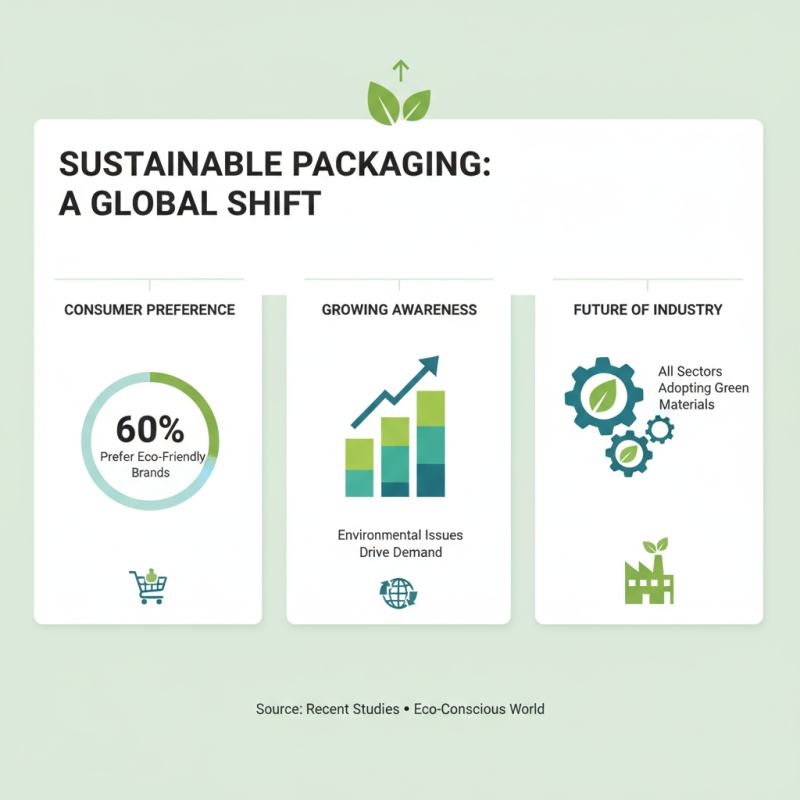
Sustainable packaging is becoming vital in today's eco-conscious world. Recent studies show that nearly 60% of consumers prefer brands that use eco-friendly materials. This shift is not merely a trend; it reflects a growing awareness of environmental issues. The demand for sustainable options is increasing across various sectors.
A report from a leading industry analysis firm highlights that biodegradable materials can reduce landfill waste significantly. For instance, paperboard packaging is favored as it can be recycled up to seven times. This usage not only minimizes waste but also conserves natural resources. Yet, challenges remain. Many manufacturers still struggle with the cost of sustainable materials. Achieving perfect sustainability in packaging requires ongoing efforts.
Moreover, many consumers remain unaware of the importance of proper disposal. Reports indicate that up to 30% of recyclable materials end up in the wrong bins. This confusion hinders progress toward sustainable goals. Businesses must focus on education about eco-friendly practices. Engaging consumers can enhance overall efforts in creating a greener future.
The Evolution of Paper Board Materials in Sustainable Packaging
The evolution of paper board materials has significantly impacted sustainable packaging. According to a report by Smithers Pira, the global paper and paperboard packaging market is projected to reach 70 million tons by 2026. This shift reflects a growing preference for eco-friendly alternatives. Paper board, sourced from renewable resources, offers biodegradability and recyclability, reducing the burden on landfills.
However, while many consumers prefer paper board, there are challenges. The production of paper board can still involve harmful chemicals. Some processes may not be entirely sustainable. A study by the Ellen MacArthur Foundation highlighted that only 35% of paper packaging is recycled effectively. This statistic underscores the need for improvements in recycling infrastructure and consumer awareness.
The push for sustainable packaging is not just a trend; it's a necessity. With materials like molded fiber and coated paper board emerging, companies are seeking ways to balance performance and sustainability. The transition won't be perfect. It's crucial to address the lifecycle impacts of these materials. As demand for greener options rises, ongoing research and innovation will be vital in creating truly sustainable solutions.
Key Characteristics of the Best Paper Board Options for 2026
Choosing the right paper board for sustainable packaging is crucial. In 2026, we see a shift towards materials that minimize environmental impact. These paper boards should be made from recycled fibers. Their production should consume less energy and water. This not only reduces waste but also supports a circular economy.
Tips: When selecting paper board, check for certifications. Look for recycled content ratios and energy-efficient production practices. Remember, biodegradable options can add value, but they may not always be the best choice for every product.
The best options feature strength and flexibility. They should remain sturdy while being lightweight. Lightweight paper boards save on shipping costs. However, durability cannot be compromised. It’s a fine balance to achieve. Moreover, aesthetic appeal matters. Attractive designs can enhance branding. Experiment with textures and finishes that resonate with consumers.
Tips: Test different paper weights during your selection process. This helps find the optimal balance between quality and sustainability. A few trials can clarify the best choices.
Comparative Analysis: Traditional vs. Sustainable Paper Board
The shift towards sustainable paper board options is gaining momentum in various industries. Traditional paper board often uses virgin fibers, leading to significant deforestation and environmental degradation. Approximately 72 million tons of paper and paperboard are produced annually, according to the Paper and Forest Products Industry report. This figure underscores the need for alternatives that reduce ecological impact.
Sustainable paper boards, made from recycled materials or agricultural waste, offer a promising solution. Studies reveal that using recycled paper can save up to 60% of energy compared to producing new paper. However, challenges exist. The quality of recycled boards can vary, sometimes compromising durability. Some manufacturers face difficulty in sourcing high-quality recycled fibers. Yet, the benefits seem to outweigh these concerns.
Consumer demand for eco-friendly packaging is growing rapidly. Reports indicate that 74% of consumers prefer brands with sustainable practices. This statistic reflects a shift in market expectations. As industries adapt, they must balance cost and quality. Sustainable options might initially be more expensive. Brands must reflect on whether they are ready to invest in a greener future, considering both the environmental and market pressures at play.
2026 Best Paper Board Options for Sustainable Packaging Solutions - Comparative Analysis: Traditional vs. Sustainable Paper Board
| Paper Board Type |
Sustainability Score |
Recyclability |
Cost per Ton (USD) |
Durability Rating |
Carbon Footprint (kg CO2e) |
| Traditional Kraft |
4.0 |
Yes |
700 |
High |
1200 |
| Recycled Paper Board |
8.0 |
Yes |
650 |
Medium |
900 |
| Biodegradable Paper Board |
9.5 |
Yes |
800 |
Medium-High |
600 |
| Plant-Based Paper Board |
9.0 |
Yes |
950 |
High |
700 |
| Composite Paper Board |
6.0 |
No |
700 |
High |
1500 |
Innovative Technologies Driving Sustainable Paper Board Development
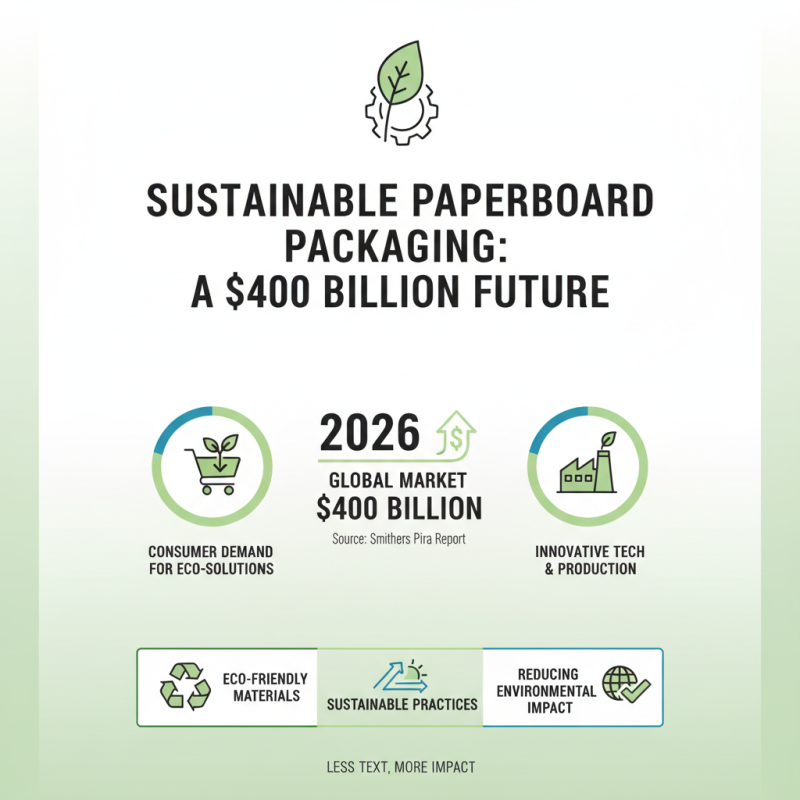
In recent years, innovative technologies have significantly influenced the sustainable development of paper board for packaging. Companies are increasingly adopting lifestyle changes to meet growing environmental demands. According to a report by Smithers Pira, the global paper packaging market is projected to reach $400 billion by 2026, driven by sustainable practices. Eco-friendly materials and production techniques are gaining traction.
One notable advancement is the use of bio-based adhesives. These adhesives offer an alternative to harmful chemical counterparts. They promote better recycling rates and reduce waste. Additionally, machine learning and AI are optimizing manufacturing processes. These technologies help decrease energy consumption and minimize costs. However, organizations need to navigate the initial investment challenges associated with these advancements.
Tip: Consider the end-of-life of your packaging materials. Aim for recyclability, which improves sustainability.
Despite the improvements, challenges remain. Many businesses struggle to balance cost and sustainability. The trade-off can lead to frustration when seeking truly eco-friendly options. Testing and trial runs can be required to find the right materials at the right price.
Tip: Stay informed about emerging trends in sustainable materials. Continuous research can guide your choices in packaging solutions.