2025 Top Trends in Packaging Film Technology and Sustainability
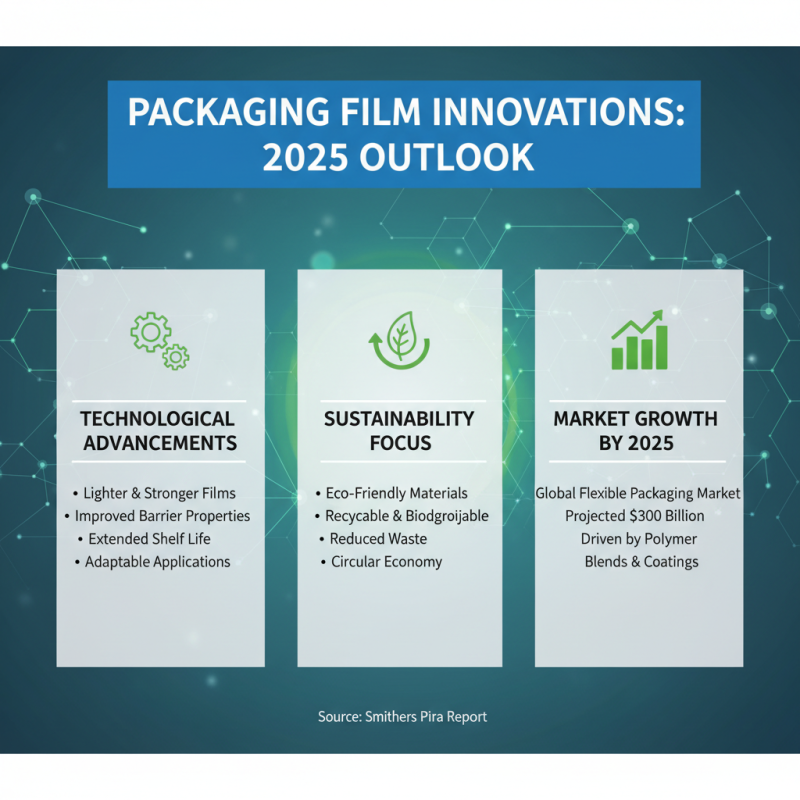
The landscape of packaging film technology is evolving rapidly, driven by the dual demands of innovation and sustainability. According to a recent report by Smithers Pira, the global market for flexible packaging is expected to reach $300 billion by 2025, with packaging films playing a crucial role in this growth. This trend highlights the increasing importance of packaging solutions that not only meet consumers' needs for convenience but also address environmental concerns. Experts in the field emphasize that sustainability is no longer an option but a necessity. Dr. Emily Ross, a leading researcher in packaging materials, states, "The future of packaging film lies in its ability to combine functionality with environmental responsibility."
As the industry strives for reducing its environmental footprint, biodegradable and recyclable films are becoming more prevalent. Data from the Freedonia Group indicates that the demand for sustainable packaging is expected to grow at an annual rate of 4.7% through 2023, demonstrating a clear market shift towards eco-friendly materials. In this evolving scenario, the focus on advanced technologies, such as nanotechnology and plant-based polymers, is anticipated to enhance the performance of packaging films while minimizing waste. Addressing these key trends will not only improve the market competitiveness of packaging film solutions but also contribute significantly to a more sustainable future for the industry.
Emerging Technologies in Packaging Film Innovations for 2025
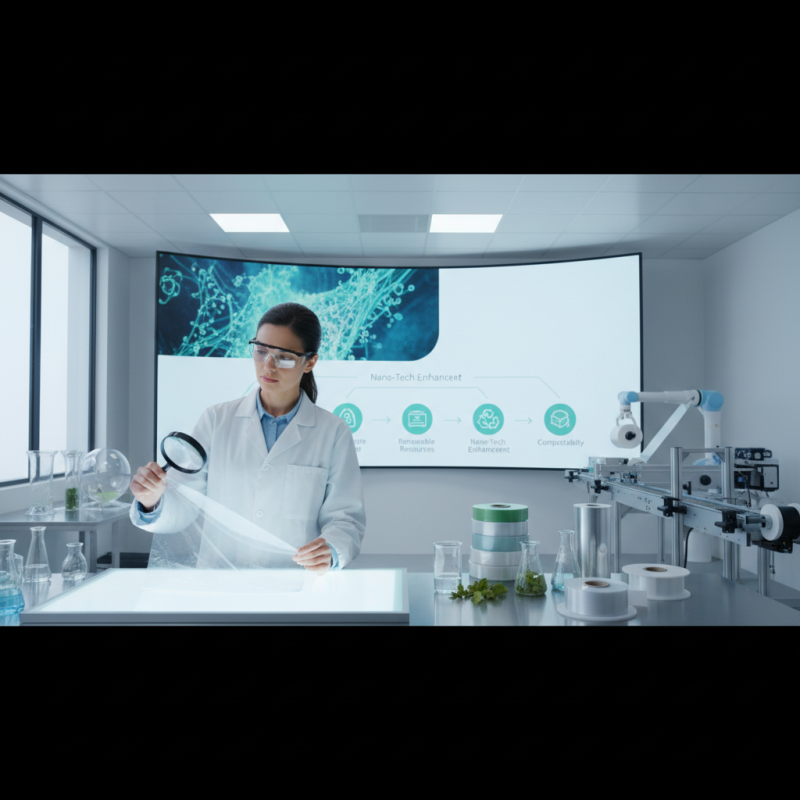
As we approach 2025, the packaging film industry is witnessing an array of innovations driven by technological advancements and a growing emphasis on sustainability. Emerging technologies are enhancing the functionality of packaging films, making them lighter, stronger, and more adaptable to diverse applications. According to a recent report by Smithers Pira, the global market for flexible packaging is projected to reach $300 billion by 2025, fueled in part by innovations in polymer blends and coatings that improve barrier properties and extend shelf life.
The sustainability aspect of packaging film technology is also gaining traction. Biodegradable films made from renewable resources, such as plant-based polymers, are at the forefront of this movement. A study published in "Journal of Cleaner Production" highlights that the demand for sustainable packaging solutions could grow by 20% annually, with 2025 expected to see significant advancements in compostable materials and recyclability. Furthermore, advancements in manufacturing processes, including the use of digital printing and automation, are reducing waste and energy consumption, thus aligning with the sustainability goals of the industry.
Innovations such as smart packaging technologies, integrating QR codes and sensors, enhance consumer engagement while ensuring product safety. The combination of these emerging technologies not only caters to evolving consumer preferences but also addresses regulatory pressures for environmentally friendly packaging solutions. Overall, the packaging film sector is poised for transformative growth, with a clear focus on sustainable practices and innovative technologies set to redefine the landscape in 2025.
Sustainable Materials Shaping the Future of Packaging Films
The packaging film industry is undergoing a significant transformation as sustainability becomes a central focus. In 2025, innovative sustainable materials are poised to redefine the way packaging films are manufactured and utilized. Biodegradable polymers, derived from renewable resources, are emerging as a promising alternative to traditional plastics, allowing for a reduction in environmental impact. These materials not only decompose more efficiently but also contribute to a circular economy by lessening reliance on fossil fuels and minimizing waste.
Moreover, advancements in material science are enabling the development of films that maintain high performance while being eco-friendly. For instance, plant-based films and compostable options are gaining traction, providing effective barriers against moisture and oxygen without compromising the integrity of the product inside. As manufacturers prioritize sustainability, the integration of recycled content into packaging films is also becoming more prevalent, promoting resource efficiency and encouraging a shift toward closed-loop systems. This evolution towards sustainable materials will not only enhance the environmental profile of packaging films but also drive innovation and competitiveness in the industry.
2025 Top Trends in Packaging Film Technology and Sustainability
| Trend |
Description |
Sustainability Impact |
Projected Growth (%) |
| Biodegradable Films |
Use of materials that decompose naturally, reducing landfill impact. |
High |
20% |
| Recycled Plastics |
Incorporating post-consumer recycled materials in film production. |
Medium |
15% |
| Plant-Based Polymers |
Utilizing materials derived from renewable resources to create films. |
High |
18% |
| Functional Coatings |
Advanced coatings that enhance barrier properties while remaining eco-friendly. |
Medium |
12% |
| Lightweight Films |
Reducing material usage without sacrificing performance, leading to lower emissions. |
High |
22% |
Impact of Recycling Practices on Packaging Film Development
The integration of recycling practices into packaging film technology is increasingly shaping the future of the industry. As consumers demand more sustainable solutions, manufacturers are innovating to create films that not only protect products but also align with eco-friendly practices. Advanced recycling methods are fostering the development of films that can be made from recycled materials, reducing the dependency on virgin plastics and minimizing waste. This shift not only aids in lowering greenhouse gas emissions but also encourages a circular economy where materials are reused continually.
One effective tip for companies looking to enhance their sustainability efforts is to invest in R&D focused on bioplastics and alternative materials derived from renewable resources. This not only meets consumer expectations but also creates competitive advantages in the marketplace. Additionally, partnerships with recycling organizations can streamline the collection and processing of used packaging films, enabling better recovery rates and bolstering the lifecycle of materials.
Furthermore, educating consumers about proper recycling practices can significantly impact the effectiveness of recycling programs. By providing clear instructions and showcasing the importance of recycling, businesses can help ensure that packaging films are not only disposed of correctly but also returned to the production loop. This collaborative approach will be crucial in achieving the sustainability goals set for 2025 and beyond, ultimately leading to a more sustainable and responsible packaging industry.
Consumer Trends Driving Sustainability in Packaging Industries
In recent years, consumer preferences have increasingly emphasized sustainability, profoundly impacting the packaging industry. As environmentally conscious consumers become more prevalent, brands are compelled to rethink their packaging strategies to meet these expectations. This shift towards sustainable packaging includes the adoption of biodegradable materials, reduced plastic usage, and innovative design practices that facilitate recycling and minimize waste. Consumers are not only looking for products that are environmentally friendly but also for transparency regarding the sustainability practices of the brands they support.
Additionally, the rise of circular economy principles is shaping how packaging is conceived and implemented. Many consumers now value packaging that can be reused, repaired, or recycled, reflecting a broader cultural shift towards sustainability. This trend is driving companies to explore alternative materials, such as plant-based plastics and compostable films, that align with consumers' eco-friendly preferences. As the demand for sustainable solutions continues to grow, brands must adapt to remain competitive in a marketplace where eco-innovation is becoming a key differentiator.
Regulatory Trends Influencing Packaging Film Technologies in 2025
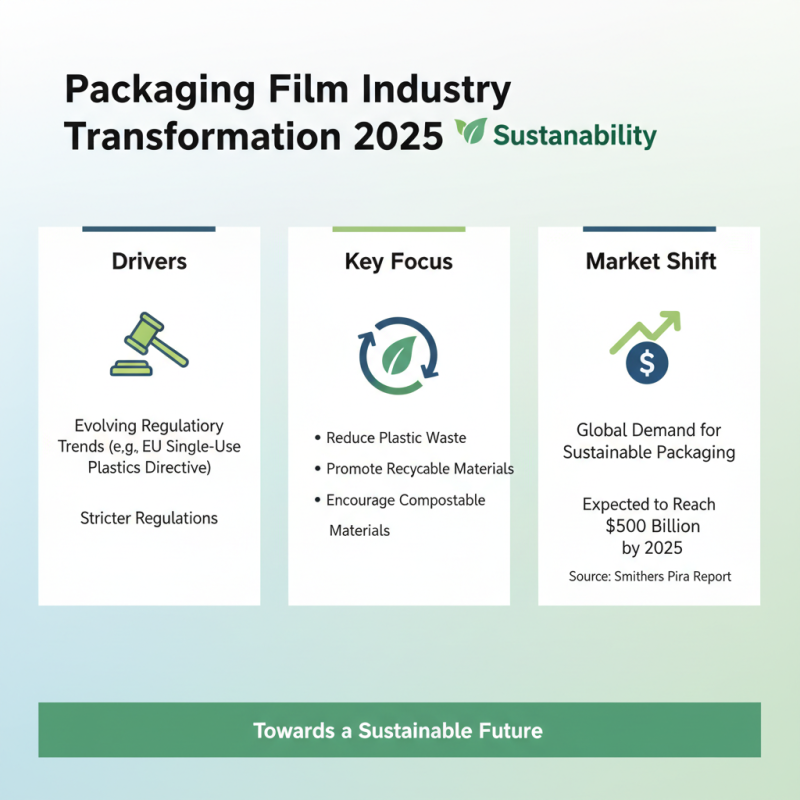
The packaging film industry is poised for significant transformation in 2025, driven by evolving regulatory trends aimed at boosting sustainability. With the implementation of stricter regulations, such as the European Union's Single-Use Plastics Directive, companies are increasingly compelled to adopt eco-friendly packaging solutions. These regulations target not only the reduction of plastic waste but also the promotion of recyclable and compostable materials. According to a report by Smithers Pira, the global demand for sustainable packaging solutions is expected to reach $500 billion by 2025, indicating a strong market shift towards environmentally responsible practices.
Moreover, the rise of Extended Producer Responsibility (EPR) policies is influencing packaging film technologies, pushing manufacturers to design for recyclability and to take accountability for the lifecycle of their products. Industry studies highlight that about 70% of consumers are willing to pay more for sustainable packaging, indicating a market trend that aligns with regulatory efforts. Innovations in biodegradable packaging films, including those made from plant-based polymers, are becoming more prevalent as companies look to comply with these regulations while also catering to environmentally conscious consumers. As 2025 approaches, the interplay between regulatory trends and technological advancements will shape a more sustainable future for the packaging film industry.