2025 Top Packaging Solutions Trends You Need to Know for Your Business
As businesses evolve in an increasingly competitive landscape, the significance of innovative packaging solutions has come to the forefront. According to a recent report by Allied Market Research, the global packaging market is projected to reach $1 trillion by 2025, driven by a growing demand for sustainable and efficient packaging options. Companies are now recognizing that packaging is no longer merely a means of protection and presentation, but a critical component of their branding and customer engagement strategies.
With the rise of e-commerce and heightened consumer awareness regarding environmental issues, businesses are leaning towards packaging solutions that not only cater to functional requirements but also align with their sustainability goals. For instance, a study by Smithers Pira indicates that sustainable packaging is expected to grow at a CAGR of over 5% until 2024, underscoring the urgent need for businesses to adapt to this shift. As we delve into the 2025 trends, it is essential to understand how adopting innovative packaging solutions can enhance operational efficiency, reduce costs, and meet consumer expectations in a rapidly changing market.

Emerging Sustainable Materials in Packaging Solutions for 2025
As businesses increasingly shift towards sustainability, the emergence of eco-friendly materials in packaging solutions for 2025 is set to redefine industry standards.
From biodegradable plastics made from plant-based sources to recyclable paper alternatives, the focus is on reducing the carbon footprint while maintaining product integrity. These innovative materials are not only beneficial for the environment but also appeal to conscious consumers who prioritize sustainability in their purchasing decisions.
To stay ahead in the competitive market, companies should consider adopting these emerging materials. Conduct research to identify suitable sustainable options that align with your product needs and brand values. Collaborating with suppliers who prioritize eco-friendly practices can greatly enhance your brand’s sustainability profile.
Tip: When transitioning to sustainable packaging, start small. Test new materials with a specific product line and gather customer feedback to assess their response. This can help you make informed decisions about broader implementation in the future.
As the trend continues towards eco-consciousness, businesses must also remain transparent about their packaging materials and practices.
Sharing information about the sustainability features of your packaging not only builds trust with customers but also strengthens your brand’s reputation in a crowded marketplace.
Tip: Utilize social media and your website to educate consumers about your commitment to sustainable packaging, showcasing the benefits and positive impacts on the environment. Engaging storytelling can create a deeper connection with your audience.
Innovations in Smart Packaging Technologies for Improved Consumer Experience
The rise of smart packaging technologies is reshaping the consumer experience, making it more interactive and informative. According to a recent study by Research and Markets, the global smart packaging market is projected to reach $44.92 billion by 2025, reflecting an impressive compound annual growth rate (CAGR) of 6.5%. This growth is driven by an increasing demand for innovative packaging solutions that enhance product safety, improve supply chain efficiency, and provide consumers with valuable information about their purchases.
Smart packaging encompasses a range of technologies, including RFID tags, QR codes, and temperature indicators that allow consumers to access real-time information about products. For example, a report by Grand View Research highlights that nearly 70% of consumers are more inclined to purchase products that offer additional information through their packaging. This trend indicates a shift towards transparency and convenience, where consumers seek assurance regarding product authenticity and quality. Moreover, smart packaging fosters sustainable practices by enabling better tracking of product life cycles and reducing waste, which is increasingly important to environmentally conscious consumers.
As brands explore these sophisticated technologies, they not only enhance consumer engagement but also gather valuable data to optimize marketing strategies. Tracking consumer interactions with packaging can provide insights into preferences and behaviors, ultimately shaping future product development. With innovations in smart packaging set to redefine customer interactions, businesses are poised to leverage these advancements to elevate their brand presence and improve consumer satisfaction.
Trends in Minimalist Packaging Designs and Their Business Implications
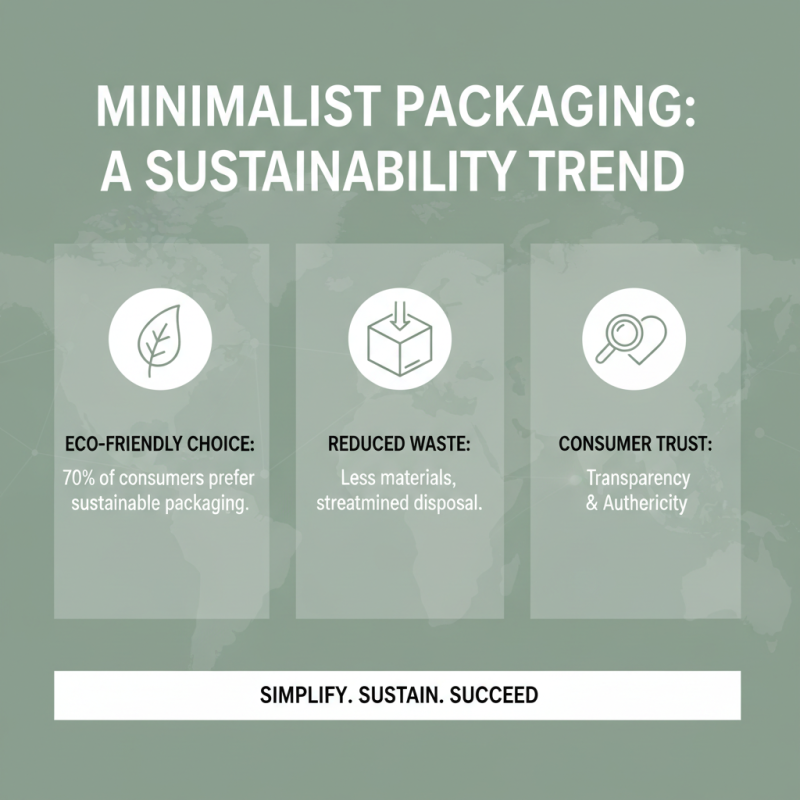
Minimalist packaging designs have become a significant trend in the packaging industry as businesses strive to meet consumer demands for sustainability and simplicity. According to recent studies, approximately 70% of consumers are more likely to purchase products with eco-friendly packaging. The shift towards minimalist designs not only reduces material usage but also streamlines waste production, aligning with the global movement towards sustainability. This trend reflects a broader consumer preference for transparency and authenticity, compelling businesses to rethink their packaging strategies.
Incorporating minimalist designs can also enhance brand perception. Research indicates that products with clean and simple packaging designs can increase perceived product value by as much as 20%. Aesthetic simplicity attracts attention and makes products stand out on crowded shelves, leading to higher conversion rates. For businesses, this means that investing in effective minimalist design can not only drive sales but also strengthen brand loyalty.
**Tips:** Focus on using recyclable and biodegradable materials to reinforce your commitment to sustainability. Consider employing a design that highlights essential information while eliminating unnecessary clutter to create a more engaging customer experience. Lastly, leverage consumer feedback to fine-tune your packaging designs, ensuring they resonate well with your target audience’s preferences.
The Growing Role of E-commerce in Shaping Packaging Strategies
As e-commerce continues to experience exponential growth, companies must adapt their packaging strategies to meet the demands of online shopping. Consumers are increasingly expecting efficient, protective, and sustainable packaging that enhances their overall experience. This shift requires businesses to reassess their packaging materials and designs, ensuring they resonate with eco-conscious customers while providing essential product protection during transit.
**Tips:** Consider using biodegradable or recyclable materials for your packaging to appeal to environmentally conscious shoppers. Additionally, streamline your packaging design to minimize waste while still ensuring your products arrive safely. Engaging consumers through creative packaging can also enhance brand loyalty.
Moreover, shipping regulations and consumer preferences are evolving, prompting businesses to innovate continuously. Customized packaging solutions can serve dual purposes—maintaining product integrity and offering a personalized unboxing experience. By prioritizing the importance of packaging in e-commerce, brands can not only improve customer satisfaction but also foster a sustainable future in the retail landscape.
**Tips:** Conduct regular surveys to understand customer preferences regarding packaging and use their feedback to refine your approach. Collaborating with knowledgeable suppliers can also provide insights into the latest trends and environmentally friendly options.
Regulatory Changes Impacting Packaging Sustainability in the Coming Years
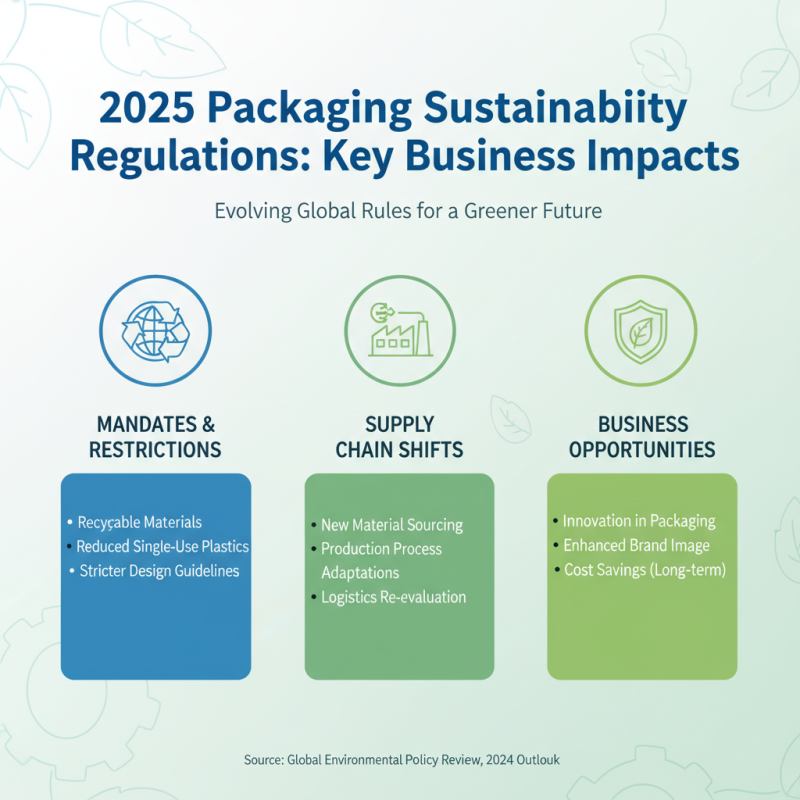
As we look toward 2025, one key area of concern for businesses is the evolving landscape of regulations impacting packaging sustainability. With governments around the world placing greater emphasis on environmental protection, businesses will need to adapt to new rules that aim to reduce waste and promote sustainable practices. These regulatory changes often mandate the use of recyclable materials, limit the use of single-use plastics, and introduce stricter guidelines on packaging design, all of which can significantly influence supply chains and production processes.
Tips for businesses to navigate these regulatory shifts include conducting regular audits of current packaging materials and practices to ensure compliance with upcoming regulations. Additionally, businesses should consider investing in innovative packaging technologies that not only meet regulatory standards but also enhance the user experience. For instance, exploring biodegradable options or smart packaging solutions can help organizations stay ahead in the sustainability race.
Moreover, building strong partnerships with suppliers who prioritize sustainable practices can streamline compliance efforts. Establishing a clear sustainability goal within your organization can also help guide decision-making and foster a culture of environmental responsibility. Staying informed about legislative changes and industry trends will equip businesses to proactively adjust their strategies, ensuring long-term success in a more regulated marketplace.