2025 Top 10 Sustainable Packaging Options Revolutionizing the Industry
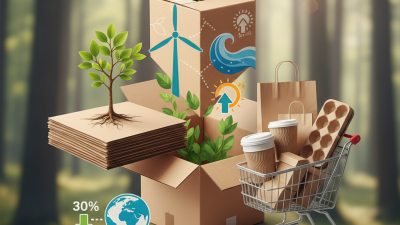
In recent years, the packaging industry has witnessed a significant transformation, driven by increasing consumer awareness and demand for sustainability. As environmental concerns take center stage, businesses are compelled to explore innovative packaging options that not only reduce waste but also enhance brand value.
According to Dr. Emily Carter, a leading expert in sustainable packaging solutions, "The future of packaging depends on our ability to create materials that are both functional and environmentally friendly." Her insights resonate with the urgent need for companies to adopt sustainable practices in their packaging strategies.

From biodegradable materials to reusable designs, the range of sustainable packaging options available today is revolutionizing how products are presented and perceived. Companies that prioritize eco-friendly packaging are not only contributing to the preservation of our planet but also appealing to a growing segment of environmentally conscious consumers.
As we delve into the top 10 sustainable packaging options for 2025, it becomes evident that innovation in this sector is not merely a trend but a pivotal shift towards a more sustainable future for the entire industry.
Innovative Materials Driving Sustainable Packaging Solutions in 2025
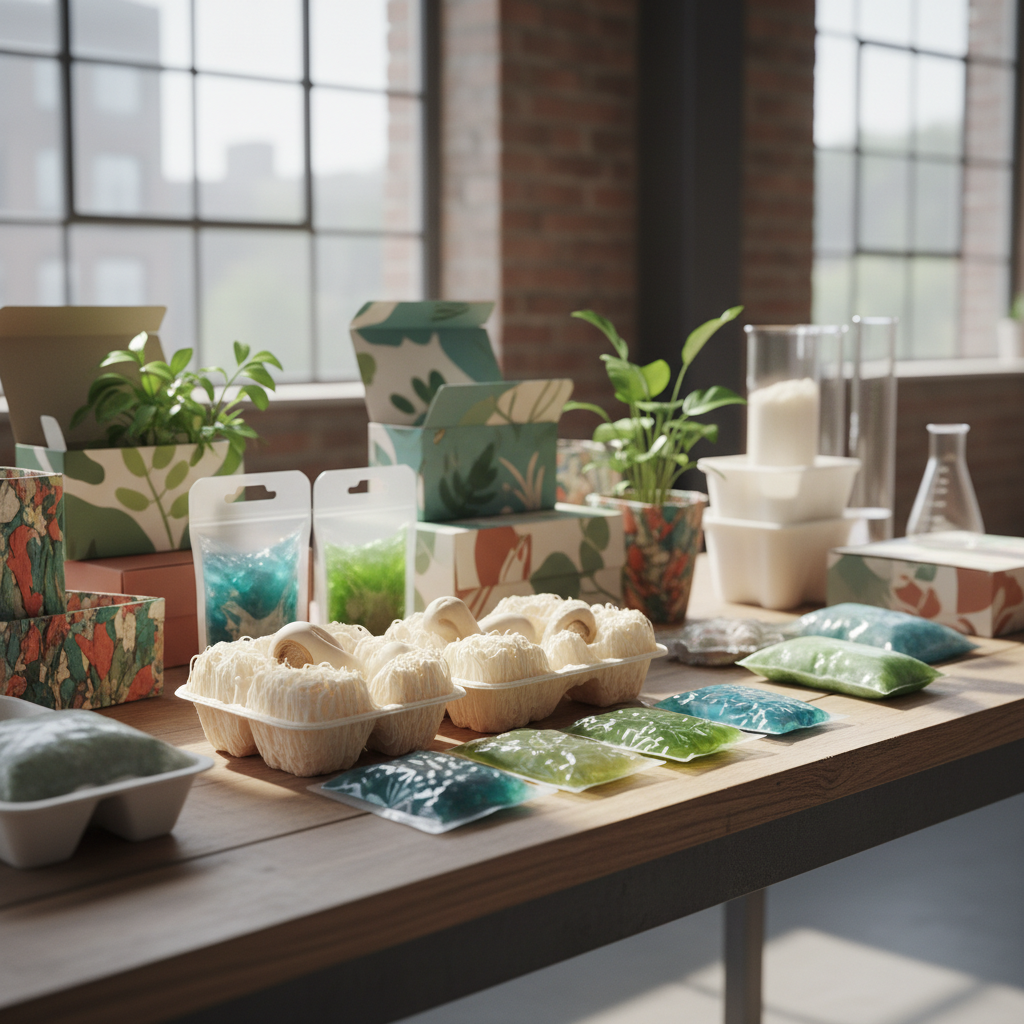
The landscape of sustainable packaging is rapidly evolving, and innovative materials are at the forefront of this transformation in 2025. Companies are increasingly turning to biodegradable plastics, plant-based inks, and recycled materials to minimize their environmental impact. For instance, packaging made from mushroom mycelium and seaweed not only reduces waste but also provides compostable options that return nutrients to the earth. These avant-garde materials are not just eco-friendly; they also maintain the durability and aesthetic appeal demanded by consumers.
Tips for adopting sustainable packaging include evaluating your supply chain to identify opportunities for sustainable materials, such as using recycled content or sourcing from renewable resources. Additionally, consider engaging with suppliers who prioritize sustainability in their operations. It’s crucial to communicate your brand’s commitment to eco-friendly practices, as transparency can enhance customer loyalty.
As brands navigate this new era, they should also invest in research and development to stay ahead of innovations such as edible packaging and smart packaging solutions that extend product shelf life while reducing waste. Exploring partnerships with startups focused on sustainable technologies can yield fresh ideas and solutions that align with the growing consumer demand for environmentally responsible packaging.
Biodegradable Alternatives: The Future of Eco-Friendly Packaging
Biodegradable alternatives are paving the way for the future of eco-friendly packaging, offering innovative solutions that reduce environmental impact. As consumers increasingly prioritize sustainability, companies are responding by shifting away from traditional plastic packaging to biodegradable materials. These alternatives break down naturally in the environment, minimizing waste and reducing pollution. From plant-based bioplastics to mushroom packaging, the options are diverse and effective, capturing the interest of both manufacturers and consumers looking for sustainable choices.
One prominent example is polylactic acid (PLA), derived from renewable resources such as corn starch. PLA not only mimics the properties of conventional plastics but also offers the added benefit of being compostable under the right conditions. Additionally, materials like paper and recycled cardboard, enhanced with biodegradable coatings, are gaining traction as they provide similar functionality while being easier to recycle and compost. As the demand for eco-friendly packaging rises, these biodegradable options are revolutionizing the industry, pushing the envelope on sustainability and encouraging a shift towards a circular economy. The future of packaging looks promising with these innovations leading the charge for a healthier planet.
2025 Top 10 Sustainable Packaging Options Revolutionizing the Industry
| Packaging Option |
Material Type |
Biodegradability |
Recyclability |
Sustainability Score |
| Mushroom Packaging |
Agricultural waste |
Fully biodegradable |
Yes |
9/10 |
| Compostable Films |
PLA (Polylactic Acid) |
Compostable |
Yes |
8/10 |
| Seaweed Packaging |
Seaweed |
Fully biodegradable |
Yes |
9/10 |
| Recycled Paper |
Recycled paper |
Not biodegradable |
Yes |
7/10 |
| Biodegradable Adhesives |
Natural resins |
Fully biodegradable |
Yes |
8/10 |
| Bamboo Packaging |
Bamboo |
Fully biodegradable |
Yes |
9/10 |
| Glass Packaging |
Glass |
Not biodegradable |
Yes |
8/10 |
| Recycled PET (rPET) |
Recycled plastics |
Not biodegradable |
Yes |
8/10 |
| Coconut Fiber Packaging |
Coconut husks |
Fully biodegradable |
Yes |
9/10 |
| Leaf Packaging |
Natural leaves |
Fully biodegradable |
Yes |
9/10 |
Reusable Packaging Systems: Reducing Waste Through Design
The rise of reusable packaging systems is transforming the way industries approach
sustainability and waste reduction. According to a 2022 report by the Ellen MacArthur Foundation,
transitioning to reusable packaging can reduce plastic waste by up to 70% in some sectors. This innovative design not only minimizes waste
generation but also significantly decreases the carbon footprint associated with single-use alternatives.
Companies like Loop are leading the charge with their revolutionary model, allowing consumers to purchase everyday products in durable, reusable containers
that are picked up, cleaned, and refilled, creating a circular economy.
Moreover, the economic benefits of reusable packaging systems are becoming increasingly apparent.
A study by the World Economic Forum highlighted that implementing reusable packaging can save businesses over
$2 trillion by 2030 through lower production costs and reduced waste management fees.
This paradigm shift encourages manufacturers to rethink their packaging lifecycle, invest in sustainable materials, and ultimately, foster a more
environmentally responsible consumer culture. As industries adapt to these advancements, the potential for widespread adoption of reusable packaging systems looks promising,
paving the way for a greener future.
Edible Packaging: The Next Frontier in Sustainable Practices
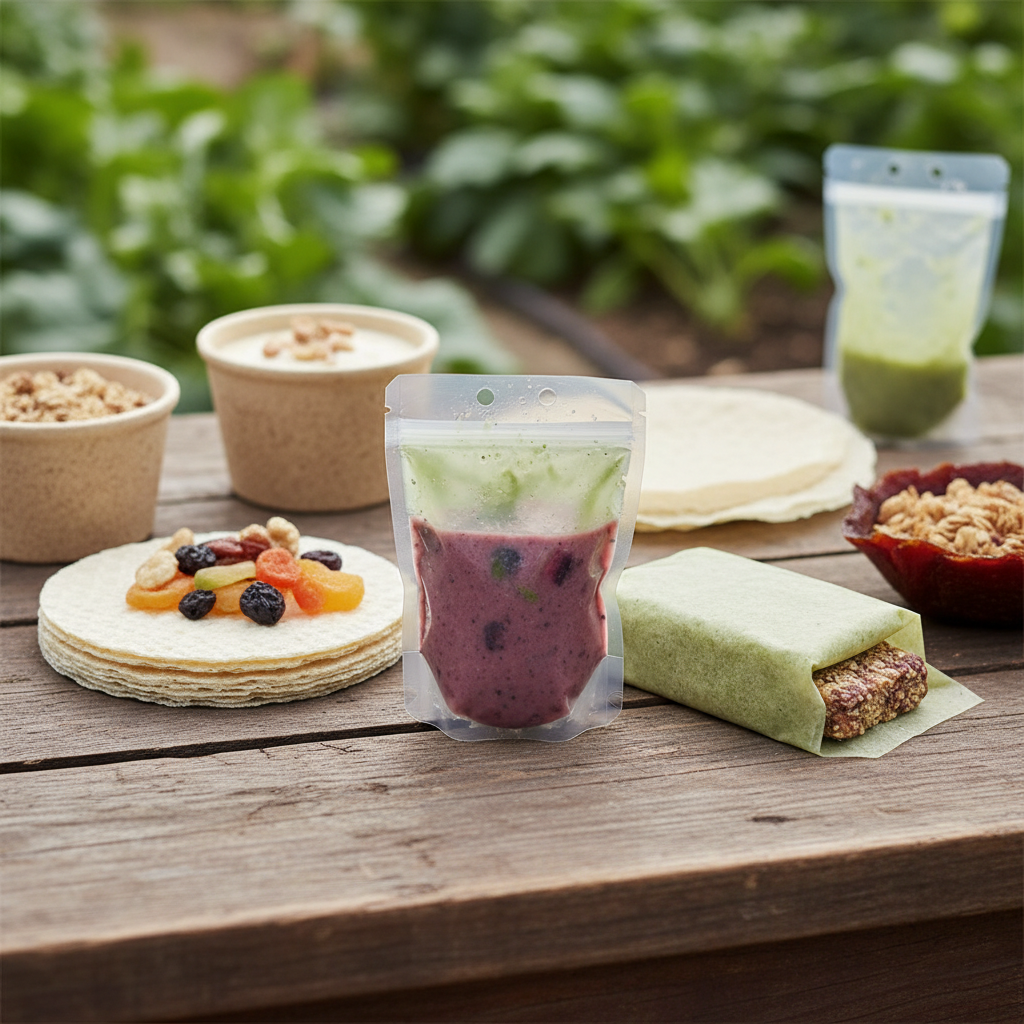
The evolution of sustainable packaging is taking an exciting turn with the emergence of edible packaging as a viable solution to combat plastic waste. Recent reports suggest that the global edible packaging market is expected to reach $2.5 billion by 2027, growing at a CAGR of 5.3%. This innovative approach not only minimizes waste but also enhances the consumer experience by offering packaging that is safe for consumption. Edible packaging can be made from various natural materials such as seaweed, starch, and proteins, ensuring that it is both biodegradable and environmentally friendly.
Companies are increasingly adopting edible packaging strategies to meet the growing consumer demand for eco-friendly alternatives. For instance, a study conducted by the Sustainable Packaging Coalition found that 72% of consumers are willing to pay more for products that use sustainable packaging. Brands like Chocodates are already in the market with edible wrappers that enhance the product's appeal while reducing the environmental footprint. As legislation around single-use plastics tightens globally, edible packaging is not just a trend but a necessary shift for manufacturers aiming to comply with sustainability goals and cater to the eco-conscious consumer base.
Smart Packaging Technologies Enhancing Shelf Life and Sustainability
The evolution of smart packaging technologies is pivotal in enhancing both shelf life and sustainability in the packaging industry. According to a report by Smithers Pira, the smart packaging market is expected to reach $31.39 billion by 2024, driven by innovations that improve food safety and reduce waste. These technologies not only monitor the freshness of products in real-time but also integrate sustainable materials that contribute to a circular economy. For instance, active packaging methods can extend the shelf life of food products, decreasing spoilage and minimizing environmental impact.
Tips: To make the most of smart packaging, consumers can look for products that feature indicators that show the freshness level. Supporting brands that adopt sustainable packaging innovations not only aids in reducing waste but also encourages more companies to switch to eco-friendly practices.
Moreover, the development of biodegradable materials in smart packaging is gaining momentum. The Global Biodegradable Plastics Market is projected to grow at a CAGR of 16.5% from 2021 to 2028, highlighting the industry's shift towards environmentally conscious alternatives. By utilizing materials that decompose naturally, brands can significantly lower their carbon footprint while providing consumers with the assurance of sustainability without compromising on functionality.
Tips: When choosing products, favor those packaged in biodegradable materials, as they help minimize landfill waste and foster a healthier planet.